
Which Creature Is Waiting
for You?
One click reveals the animal that belongs with you. No algorithms — just instinct.
Each animal, a small exhibition
Scroll at your own pace. Every creature has a scene and a story — the finished animal and the hands that made it.
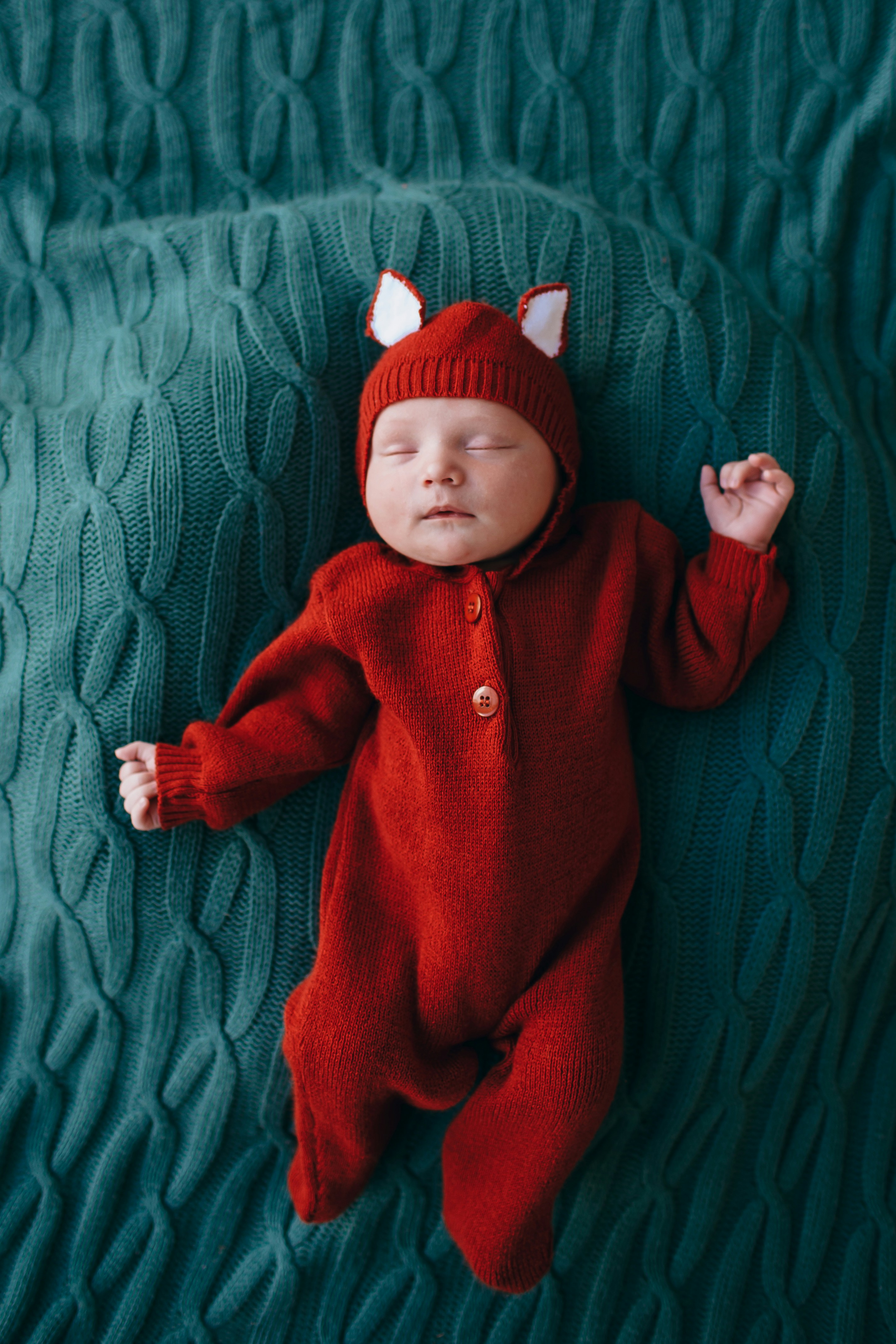
Materials
German mohair · organic carded wool · silk thread · linen ribbon
Rust mohair, hand-pressed seams, and a smile that took three attempts.
Fennec begins as a quarter-metre of imported German mohair — a warm rust that photographs orange in morning light and almost amber by evening. Each ear is cut individually, stuffed with carded wool, and pressed flat with a dry iron before the final seam closes. The closed eyes are embroidered in three passes of silk thread, the slight asymmetry deliberate: no machine could make that expression.
"For the child who watches sunsets."
Craft details
- Imported German rust mohair
- Carded wool stuffing, hand-tamped
- Silk-thread embroidered eyes
- Hand-pressed seams, no glue

Materials
Organic oatmeal cotton · weighted linen · glass eyes · waxed thread
Oatmeal cotton, linen ears that drape just so, glass eyes chosen one by one.
Hazel is built from organic oatmeal cotton — undyed, unbleached, the colour of old linen in a French farmhouse. The ears are cut from a heavier linen, weighted at the tip so they fall forward with the same gravity as a real rabbit's. Every glass eye is sorted by hand: slight colour variation between the pair is considered a feature, not a flaw. The nose is stitched in a single length of waxed thread, pulled through once.
"For the nursery that doesn't need to shout."
Craft details
- Organic oatmeal cotton, undyed
- Weighted linen ears
- Hand-sorted glass eyes (slight variation intentional)
- Single-pass waxed-thread nose
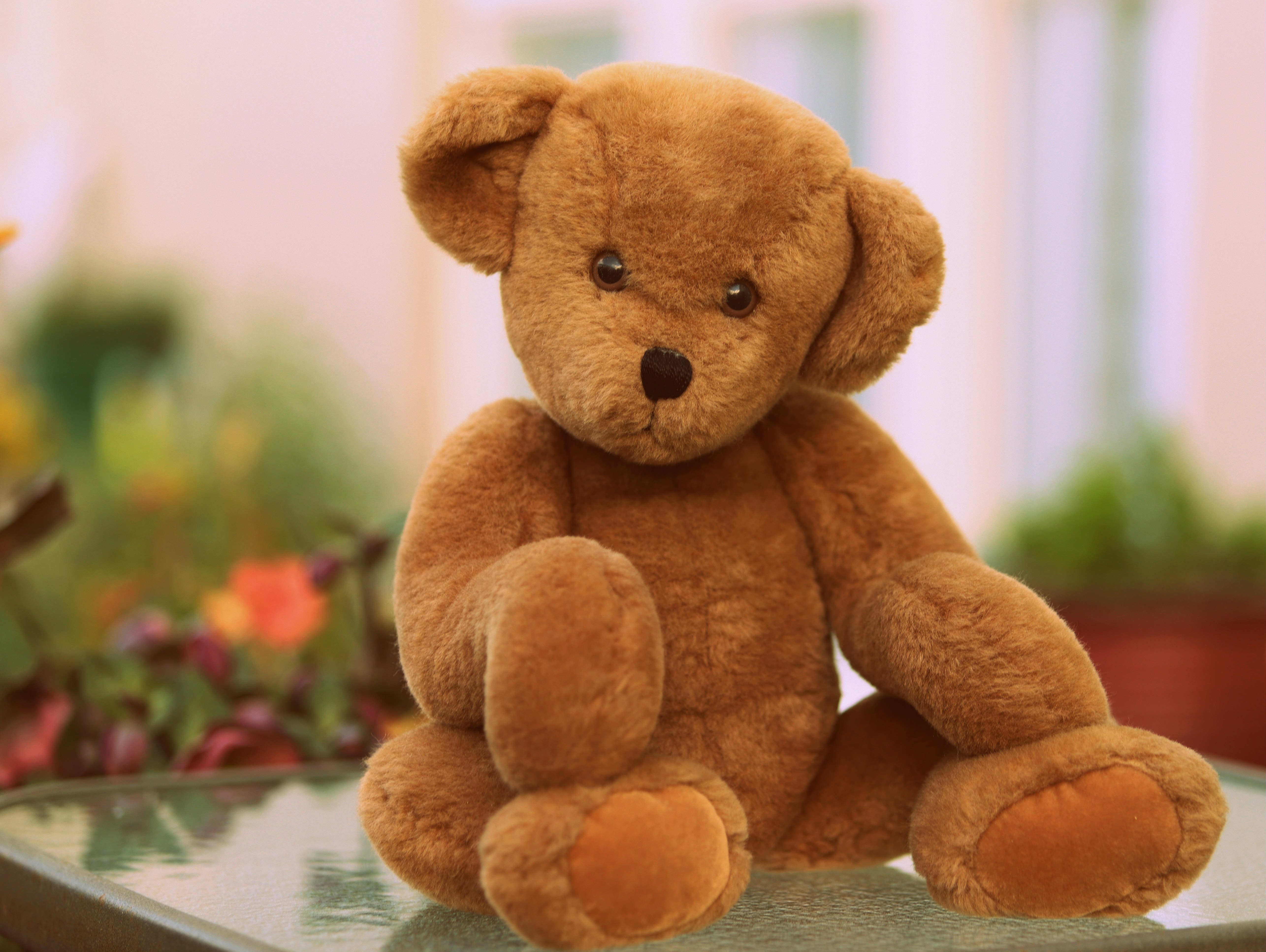
Materials
German 18mm mohair · hardwood discs · steel cotter pins · vintage growler
Dense mohair, five-way joints, a growler still working forty years on.
Theodore is the most complex creature in the workshop — five-way jointed with hardwood discs and steel cotter pins, the same mechanism used in bears made in 1905. The mohair is a dense German pile, 18mm, the kind that photographs almost three-dimensional. The growler is a tipped-bellows mechanism sewn into the belly before the final seam closes. In forty years, a child's grandchild will tip him forward and hear the same sound.
"For the collector who displays on walnut shelves."
Craft details
- Dense 18mm German mohair pile
- Five-way hardwood disc joints
- Steel cotter pin mechanism
- Tipped-bellows growler, enclosed
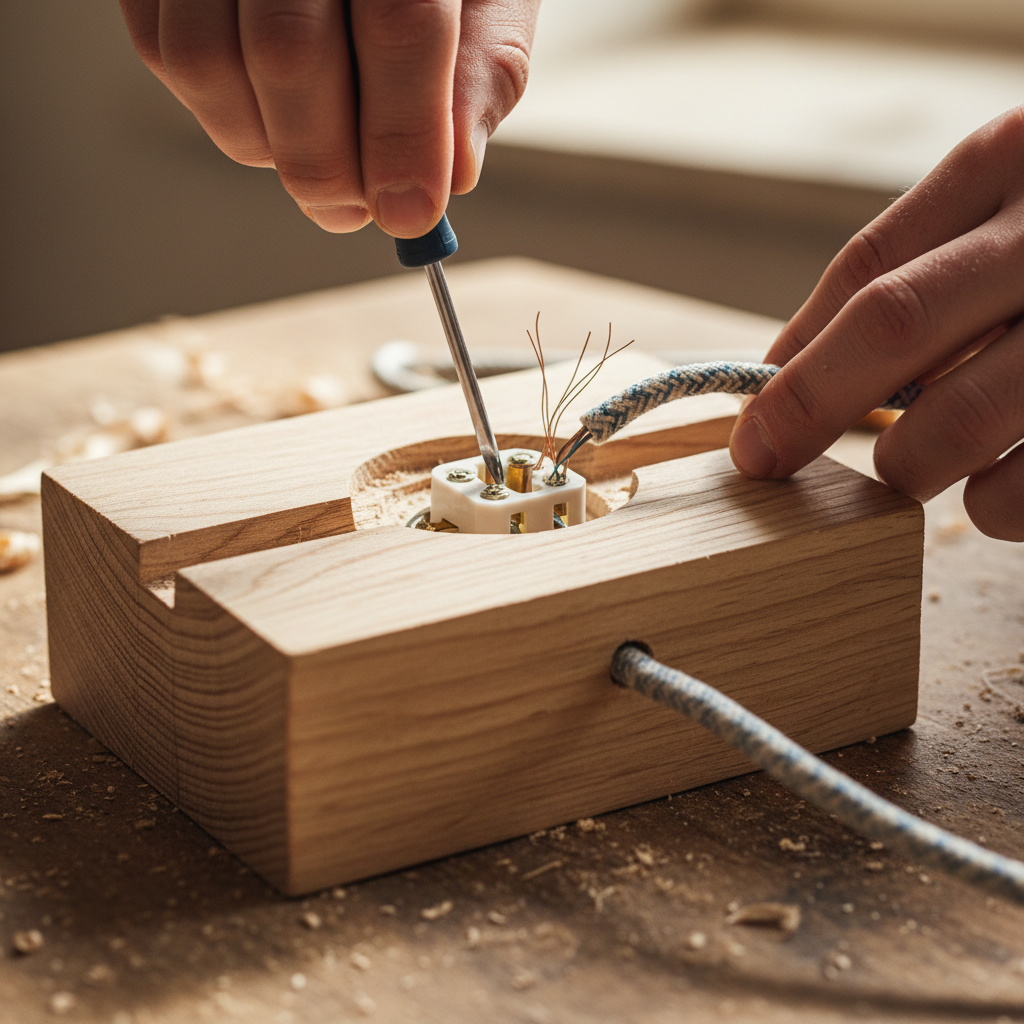
Ready to meet the whole family?
Every creature in the collection, filtered to your quiz match.
Every seam pressed by hand.
Every eye set with tweezers.
No conveyor belts. No injection moulds. Each creature passes through four stages of hand-work before it leaves the workshop.
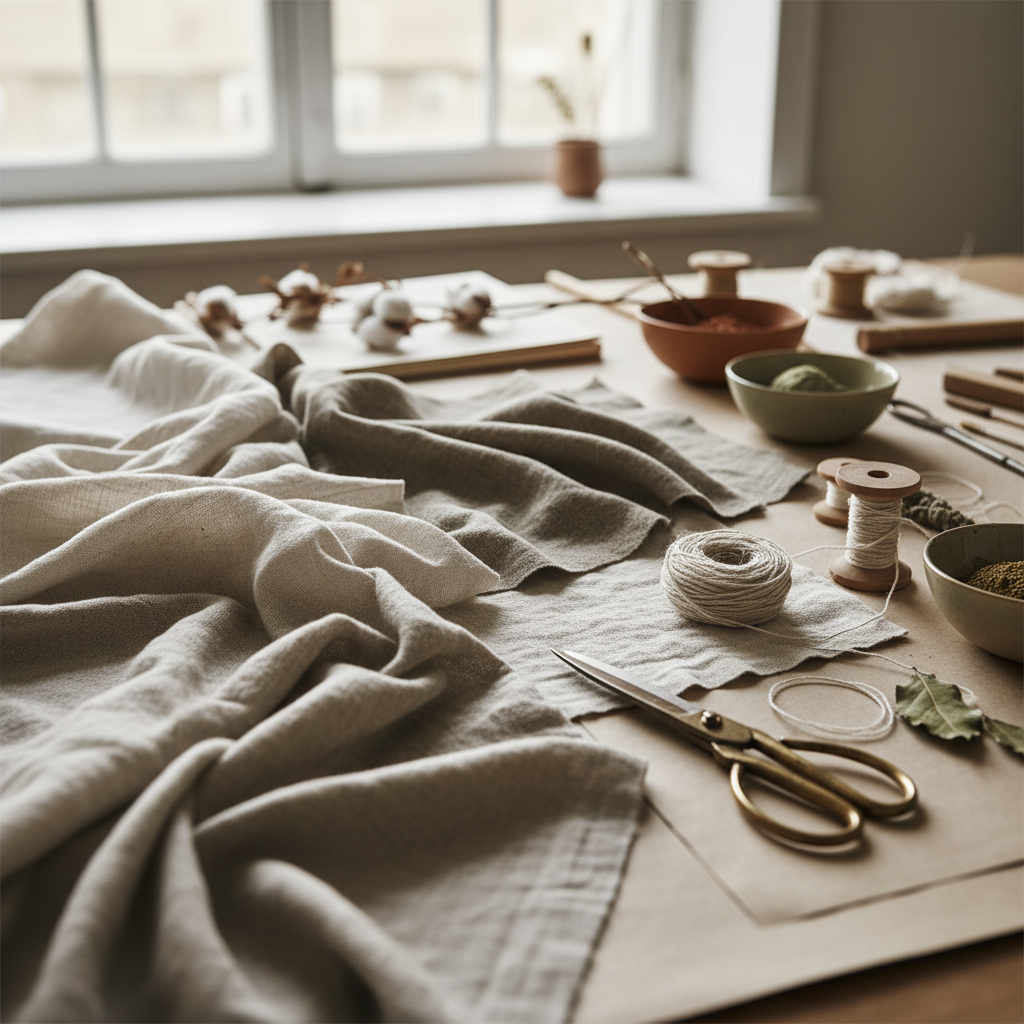
Selecting the Cloth
Every bolt is inspected by hand before cutting. Mohair is checked for pile evenness; cotton is tested for hand-feel against the cheek. Anything that doesn't pass is returned.
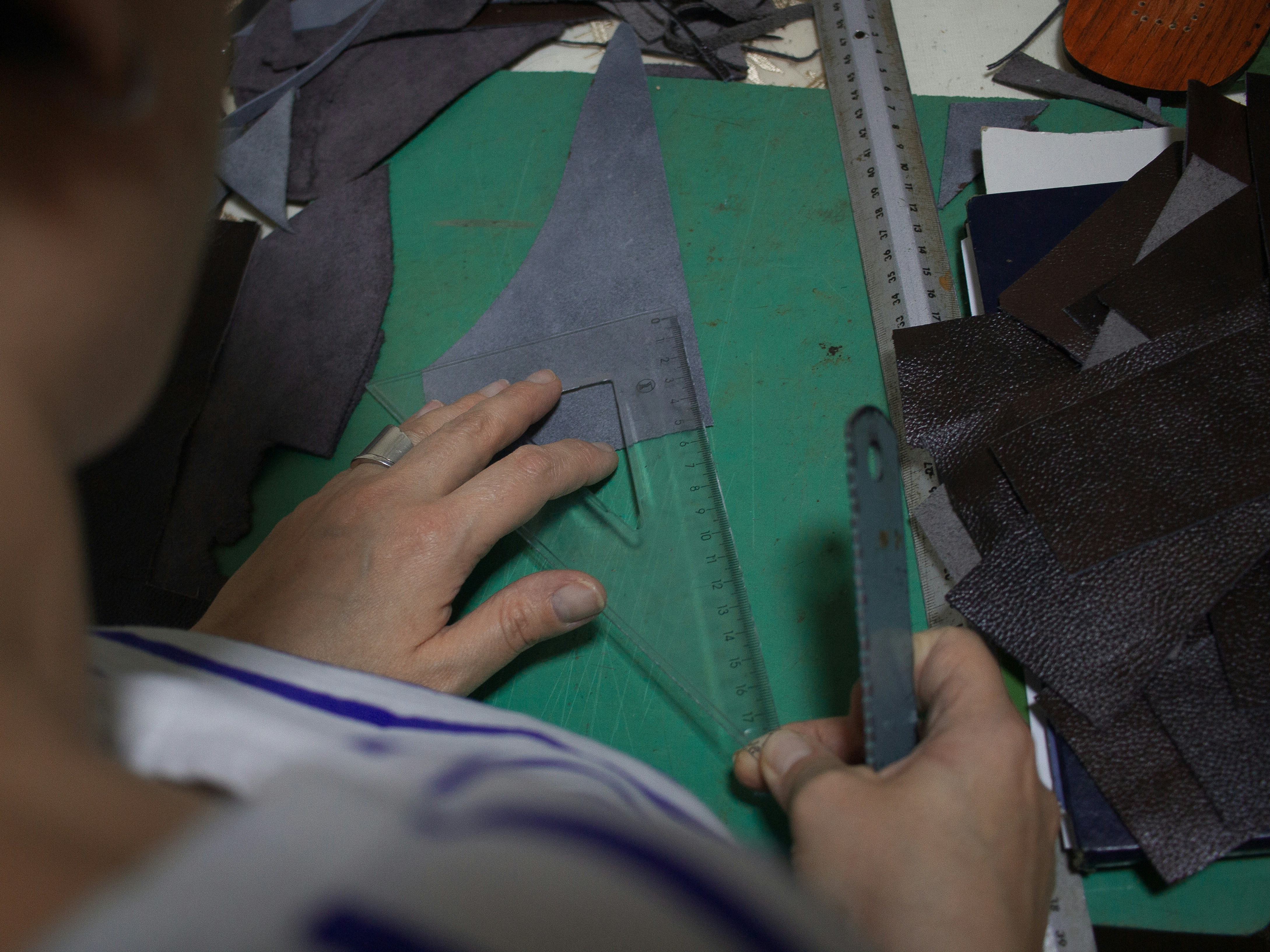
Cutting & Pressing
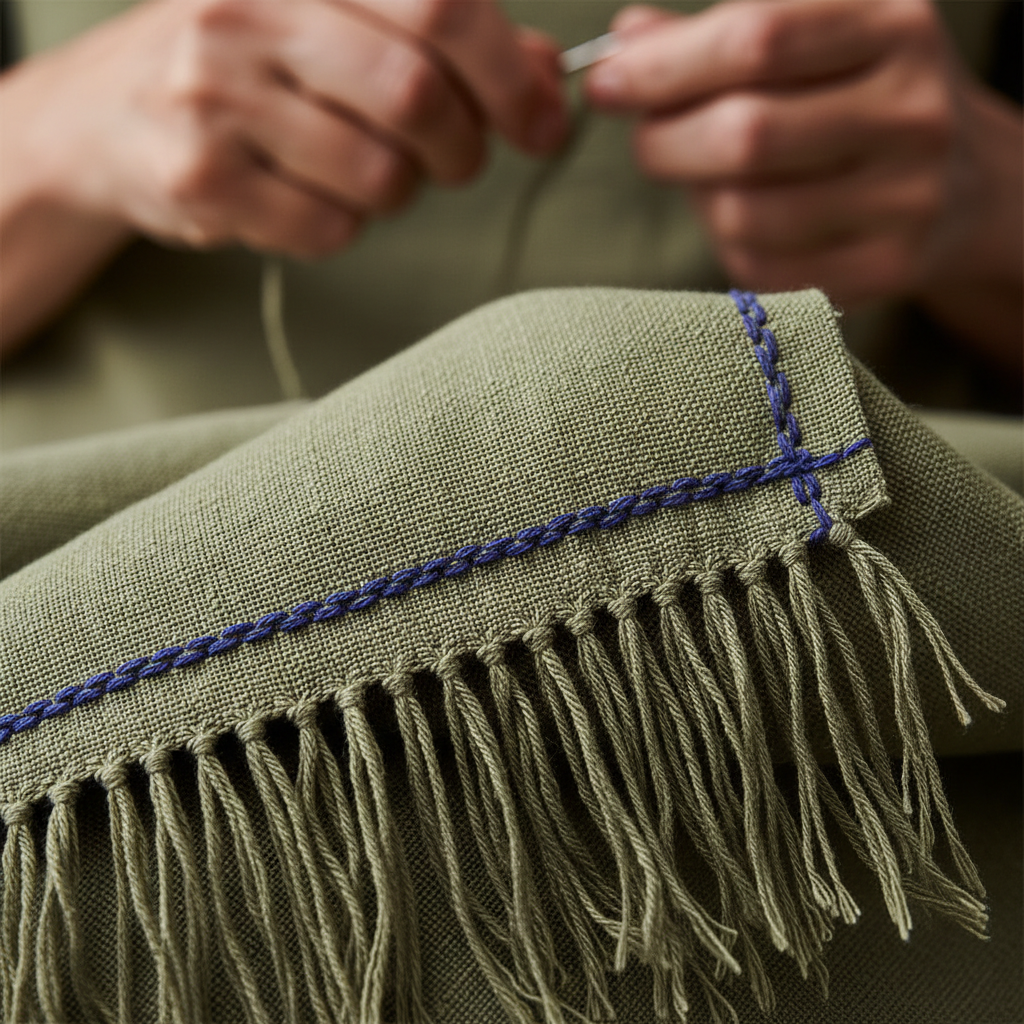
Each pattern piece is cut with scissors — no die-cut machines. Seams are pressed open with a dry iron before assembly, the same way a tailor finishes a jacket. The warmth sets the pile.
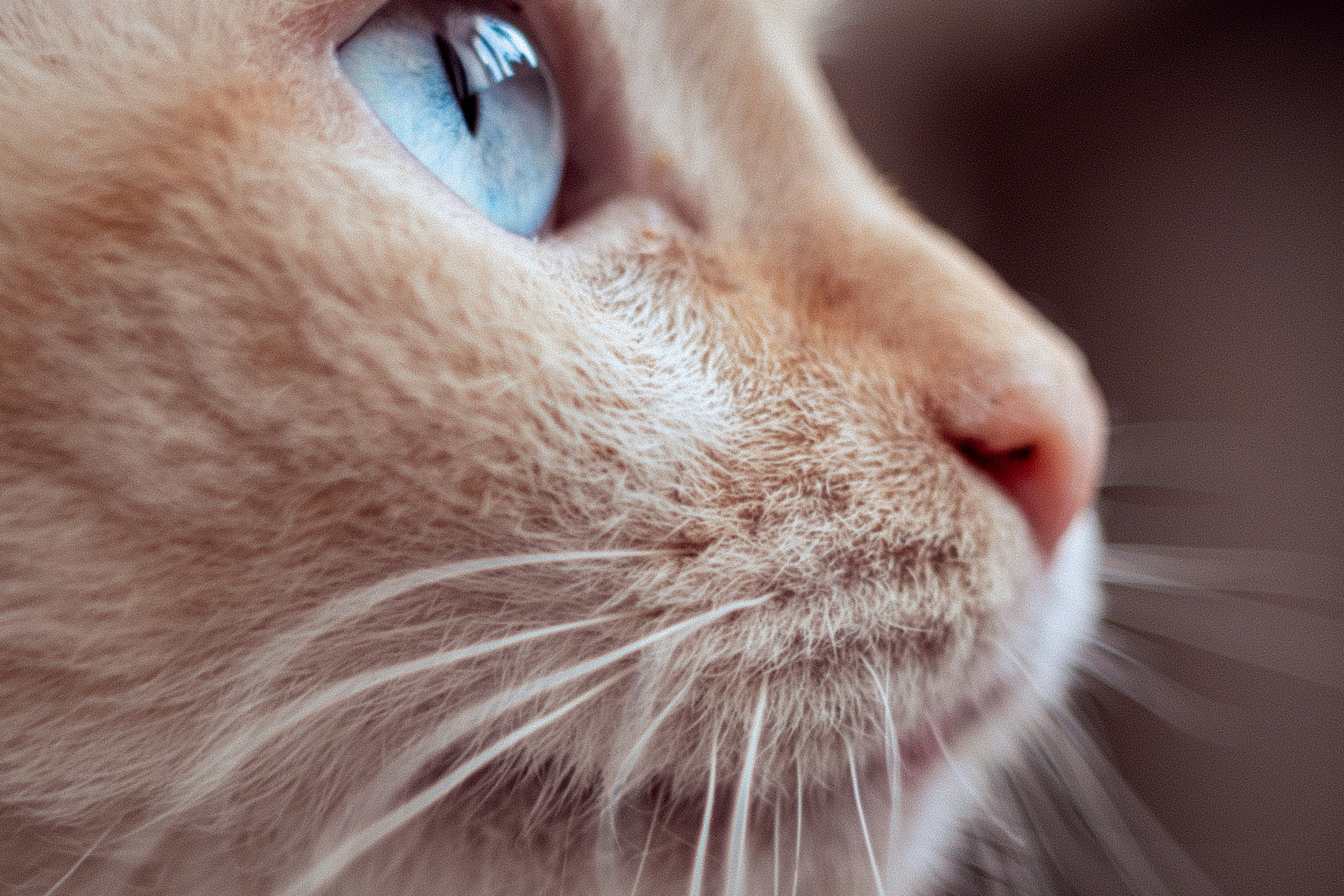
Setting the Eyes
Glass eyes arrive in pairs and are sorted by hand. Each is set with tweezers, the wire loop turned exactly twice, the depth adjusted until the gaze feels right. This step alone takes twenty minutes per animal.
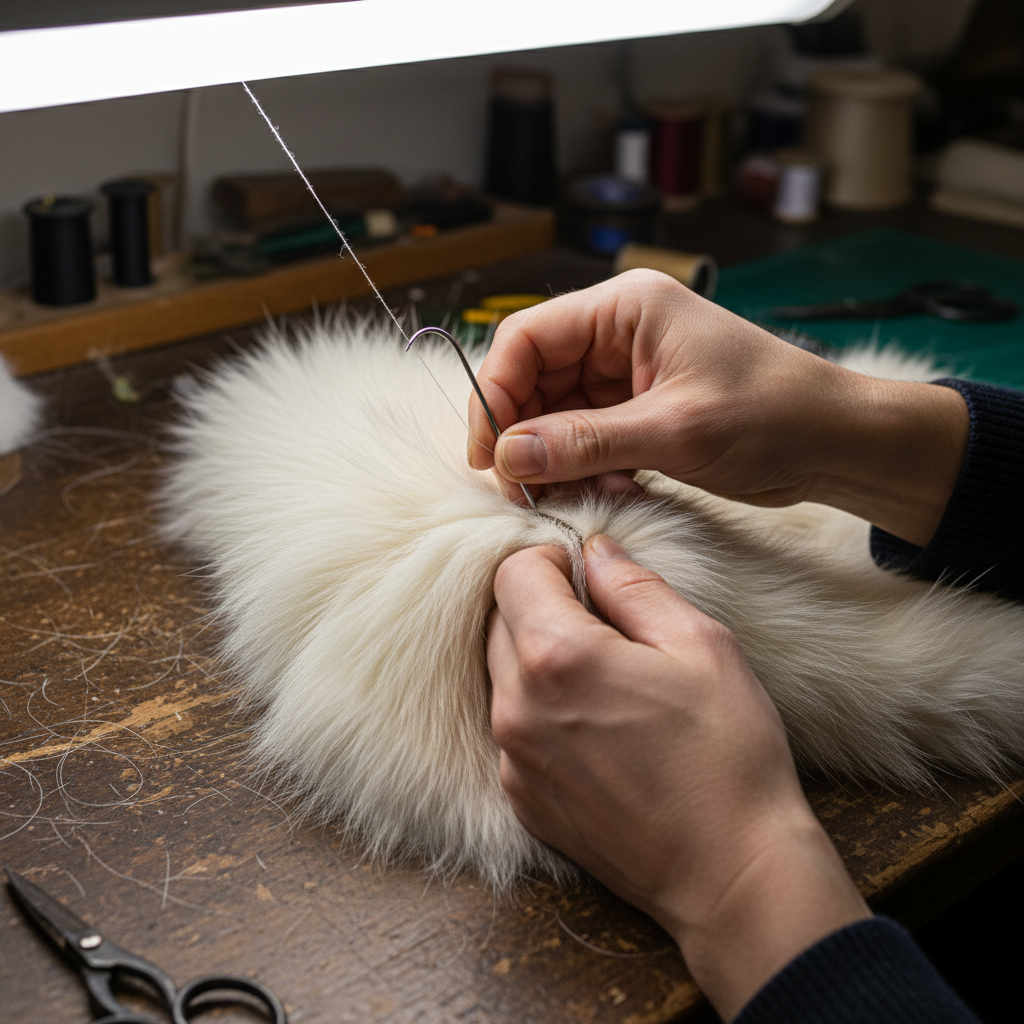
The Final Stitch
The closing seam is sewn by hand with waxed thread, then hidden inside a fold of pile. It is the one seam no one will ever see — which is exactly why it matters.
"The tiny imperfect stitch that proves a person made this."
— Every Stitch creature, by design
The collection is waiting.
Imported mohair, organic cotton, glass eyes set with tweezers. Every creature made to outlast the childhood it enters.